

How Much Does a Corporate Video Cost? A Director’s Breakdown
Corporate Video
How Much Does a Corporate Video Cost? A Director's Breakdown
How much does a corporate video cost? A Newport Beach director explains what drives the budget: shoot days, crew, locations, talent and the edit.
By Timothy Kline | CEO & Primary Director · Published · Updated · 8 min read
Corporate Profile Video | Orange County Corporate Video
Short answer: It depends on shoot days, crew size, locations, talent, editing and the number of versions you need. Most corporate videos take two to three weeks from kickoff to final delivery. Tell me your goal and your budget, and I will build the scope to it.
Every week someone in Newport Beach or somewhere else in Orange County asks me the same question: how much does a corporate video cost? The honest answer is that a corporate video is not one product. It is a stack of decisions: how many days we shoot, how many people are on the crew, how long the finished film runs, how much planning happens before the camera rolls. Each of those has a real price.
I have directed more than 500 productions since 2003, and I would rather show you how a budget is built than hand you one vague number. Below are the decisions that drive corporate video cost at Hilo Motion Pictures, and how to make each one work for your goal. If you already know what you need, start with our corporate video production services.
How to Decide What You Actually Need
Before we talk budget, I ask three questions. The answers set the scope faster than any price list.
Where will the video live? A film running as a paid ad in a crowded market has to match or beat what your competitors run. A film on your About page has one job: make an enterprise prospect keep reading. An internal update or a conference recap can be far simpler. Distribution decides the standard, and the standard decides the crew.
Who are you up against? Pull up your top competitor's video. If they show up with a cinematic brand film and you show up with a phone clip, the video says something about your company before anyone hears a word. Your film is a proxy for how you do business.
How many ways will you use it? One well-shot film can be cut into short social versions, dropped into email, embedded in proposals and played in sales meetings. A video that works in five places for three years costs far less per use than one that runs once. That is why I plan cut-downs before the shoot, not after. If you want a planning checklist before we talk, HubSpot's video marketing guide is a solid place to start.
Distribution decides the standard, and the standard decides the crew.
The Shoot Day: Where Most of the Cost Lives
The biggest driver in any corporate video budget is time on set. A half day covers a focused interview in one room. A full day gives us room for interviews, B-roll of your team at work and the details that make a company feel real on screen. Multi-day shoots make sense when the story lives in several places, or when a big cast needs time to get it right.
Our cinema camera package, a cinema-grade camera with cinema lenses, rig and media, comes with every shoot day. You are not paying extra to look cinematic. You are choosing how much time we have to capture the story.
Most single-location interview films fit in a half day or a full day. Multi-location brand films, or anything with a lot of moving pieces, need more. The number of shoot days is the first question I ask, because it shapes everything after it.
Crew and Equipment: Add Only What the Story Needs
A small crew is not a weaker crew. It is the right crew for the job. A founder interview can be shot beautifully with me directing and a tight team. When a production needs more hands, we add them one role at a time: a second camera operator for two angles on every answer, a gaffer to shape light in a difficult room, a grip, a dedicated sound mixer, a production assistant, hair and makeup for on-camera talent.
Equipment follows the same logic. A second camera package, a full lighting and audio kit or a teleprompter each earn their place when the shoot calls for them. If a role or a piece of gear will not show up on screen, it does not go in the budget.
Locations and Talent
Where we shoot matters as much as how long. One location is the most efficient day on any schedule. Every move between locations costs setup time, and setup time is shoot time you are not using. Some locations also need permits or a scout before the day, and those belong in the plan early.
Talent works the same way. Your own team on camera is often the most convincing choice for a corporate film, because viewers can tell when a person believes what they are saying. When a script calls for actors, hosts or a voice-over, casting and talent become their own part of the budget. Decide early who will appear on screen and the rest of the plan falls into place.
Planning Before the Camera Rolls
The cheapest place to save money on a corporate video is in pre-production. A clear plan means fewer surprises on set. Planning can be a short session to lock the interview questions and shot list, or full coordination of locations, schedules and people. A storyboard or creative brief helps when several decision-makers need to sign off on the same picture before we shoot. Here is how we run that phase.
The Edit: Where the Film Gets Made
Footage is raw material. The film gets made in the edit, and the edit is shaped by two things: how long the finished film runs and how many versions you need. A tight 60 to 90 second film is a different job from a two-minute brand film, and both are different from a series of short testimonial or interview cuts.
Finishing is planned the same way. Color grading sets the look and the mood. Captions make the film work with the sound off. A motion graphics package adds titles, lower thirds and a call to action. A social content pack turns the same shoot into short clips for every channel. Every project includes two rounds of revisions. More on how we finish films.
Three Common Builds
Here is how typical corporate projects come together. These are starting points. Every project is scoped to its goal and its budget.
An executive profile. A half-day shoot with me directing, camera and equipment; a 60 to 90 second edit; a basic color grade; captions. Add our lighting and audio package if the location needs it.
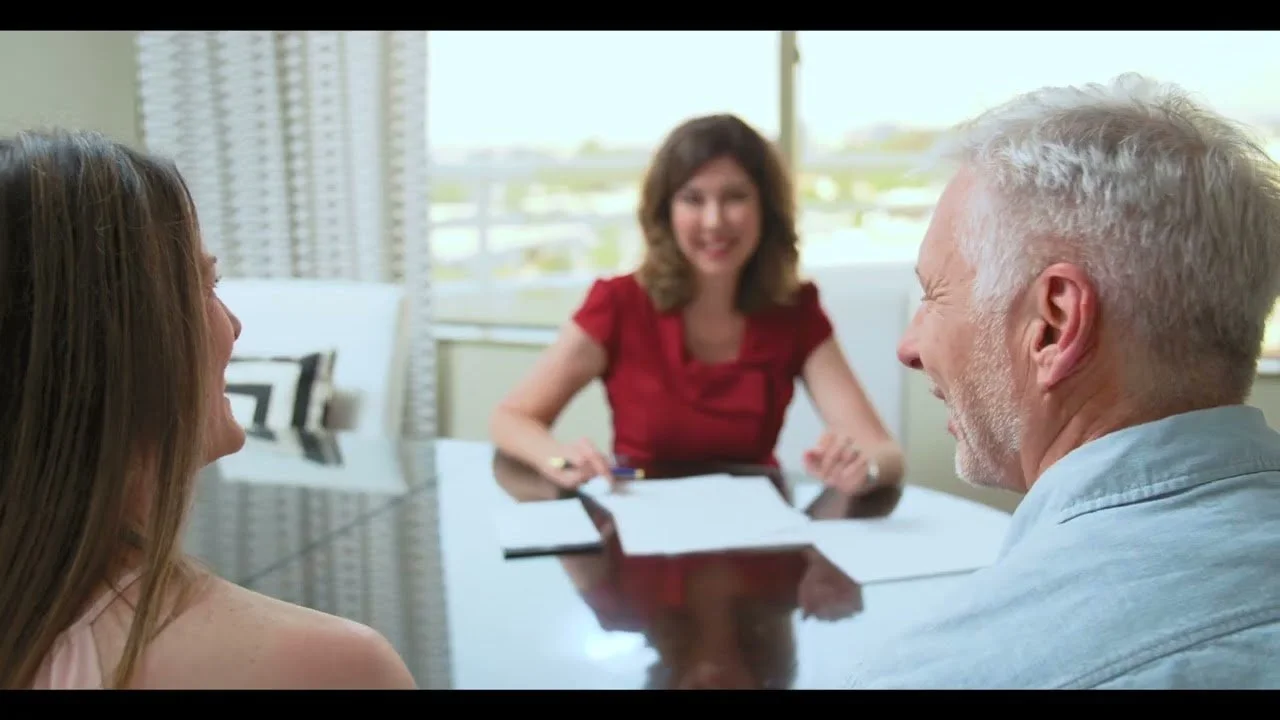
A company profile film, like the one above. A full day with me directing, a cinematographer and a production assistant; pre-production planning; a 90 to 120 second edit; an advanced color grade; a motion graphics package; a social content pack for short cut-downs.
A testimonial series. A full day of interviews with customers or staff in one location; short testimonial edits; captions on each. Add a second camera package if you want two angles on every answer.
What Moves the Number Up or Down
Four more decisions change the cost of a corporate video more than anything else.
Shoot days. One location in one day costs less than three locations over two days. Group your interviews and plan your B-roll around the same building when you can.
Crew size. A founder interview needs a smaller team than a product launch with talent, wardrobe and a lit set.
Finished length and versions. One two-minute film costs less than a two-minute film plus five social cut-downs. Decide early which versions you need, so we shoot for all of them on the same day.
Timing and travel. Rush schedules cost more, so book early when you can. Shoots in and around Newport Beach keep travel simple; travel further afield is planned with the project.
Give Me the Number. I'll Build the Scope to It.
Most clients come to me with a budget in mind, and that is the best place to start. Tell me the number and I will build the scope to it: the shoot days, the crew and the deliverables that give you the strongest film for that amount. If the budget needs to come down, we remove scope. We do not cut the rate or the quality of the work.
That approach works for a single executive profile, a company profile film like the one above, or a testimonial series. See examples of company profile video production, and if you are budgeting a launch film instead, here is how to make a crowdfunding video that gets backed.
Payment is simple, too. Larger projects are split into a deposit and a balance at the first review cut. A date is locked once the agreement is signed and the deposit is in, and finished files are released when the balance is paid. No surprises, and no line on the invoice you did not see in the proposal. Most corporate projects move from kickoff to final delivery in two to three weeks, so a clear budget at the start is also the fastest way to get your film on screen.
Frequently Asked Questions
How much does a corporate video cost?
It depends on shoot days, crew size, locations, talent, editing and the number of versions you need. Tell me your goal and your budget, and I will build the scope to it.
How long does a corporate video take to produce?
Most corporate videos take two to three weeks from kickoff to final delivery. Rush schedules are possible.
What comes with every shoot day?
The director and the cinema camera package with cinema lenses, rig and media. Additional crew and specialty equipment are added only when the shoot needs them.
How many revisions do I get?
Two rounds of revisions are included. If you need more, we scope them together before any work starts.
Can one shoot produce several videos?
Yes. Plan the versions before the shoot day and we capture everything at once: a main film, short social cuts and individual interview edits.
Do you work outside Newport Beach?
Yes. We shoot across Orange County and Southern California, and we travel for the right project.
Keep Reading


Get a Number for Your Project
Send me your goal, your timeline and your budget, and I will come back with a scope that fits. director@hilomotionpictures.com or (949) 449-4472.
