

How to Make a Crowdfunding Video That Gets Backed
Your campaign video is not a nice-to-have. It is the single biggest call you make on Kickstarter or Indiegogo. I direct crowdfunding videos out of Newport Beach for founders across Orange County and Southern California, and I have watched the same truth play out for more than a decade: backers decide fast. By the time your video hits the 90-second mark, most of them have already made up their minds.
Hilo Motion Pictures shot one of the first fifty Kickstarter videos ever made. Since then we have built campaign films for hardware founders, consumer brands and first-time inventors, including Audeze. This post breaks down the three moves that make an opening work, how we produce them, and what to have ready before the camera rolls. If you are planning a launch, see how we approach crowdfunding video production for Kickstarter and Indiegogo.
Audeze Mobius. A Hilo Motion Pictures client film.
The 90-Second Window: Why Backers Decide Fast
A campaign page is a crowded room. Your backer arrived from an email, a social post or a friend's link, and they are giving you a minute and a half to prove the project is worth their money. That window is not for explaining every feature. It is for creating a feeling: this is for me, this is new, and this person can actually build it.
Everything that matters has to land before the viewer drifts: the problem that makes them feel seen, the reveal that makes them lean in, and the founder who makes them trust the promise. Open on a logo animation, a credit roll or a slow company history, and you have spent the window on nothing.
Make Them Feel Seen in 15 Seconds
The fastest way to hold attention is to make the viewer feel the video is about them. Your first 10 to 20 seconds should name one frustration, friction point or unmet desire, with enough detail that the right backer recognizes their own life.
Specific beats generic every time. "Carrying cables is annoying" is easy to scroll past. "Reaching the bottom of your bag five minutes before a pitch, cable knotted, laptop at 3%" lands with a real person. That jolt of recognition is what keeps them watching.
The Reveal: Show It, Don't Say It
The reveal is the moment your product meets the problem you just named. It works best when it produces real surprise: "I didn't know this existed," or "why didn't someone make this sooner?" That reaction is what moves a viewer from curious to committed.
A narrator saying "our product fixes this" is not a reveal. Showing the product end the problem in a real setting, in one clean motion, is. We plan the reveal as the highest-production-value shot in every crowdfunding film, because those 5 to 15 seconds decide whether the viewer ever reaches your ask. Here is how that planning works on our side.
One test before you book a shoot: if the product cannot be shown working on camera, the campaign is not ready to launch.
The Founder Moment: Trust Is the Transaction
Crowdfunding is a trust deal. Every backer is asking one question: do I trust this person with my money before the product exists? The answer comes almost entirely from you, on camera.
The founder moments that work share three traits. They show a personal connection to the problem, not just a business interest in it. They show real competence, the experience that makes the promise believable. And they carry enough honest enthusiasm to feel human, not performed.
On set, I am not chasing a perfect read of a scripted line. I am directing toward the take where you stop performing and start meaning it. That moment beats polish every time, because backers are judging you, not your teleprompter.
Then say the risk out loud. Backers know crowdfunding carries it. Tell them who your manufacturing partner is, why your timeline is realistic and what is already proven. Silence lets them imagine the worst.
Four Ways Campaign Videos Lose Backers
Most campaign videos that stall do not fail on budget. They fail on choices made before the shoot.
They open slow. A logo sting, a drone shot of the office, a founder introducing themselves by job title. None of it earns the next ten seconds. Start inside the problem.
They explain instead of show. Spec sheets read aloud, features listed one by one, a voice-over doing the work the picture should do. If a shot can carry the point, the line goes.
They hide the founder. A campaign with no human face asks the backer to trust a product that does not exist yet. Put the person who will build it on screen, early and often.
They end without an ask. The final 20 seconds should tell the viewer exactly what you need, what they get and why now. A beautiful film that trails off into music leaves pledges on the table.
Fix those four and you are ahead of most of the page before anyone talks about lenses or lighting.
Your Campaign Film, Beat by Beat
Most campaign films that work run three minutes or less and follow the same shape. Here is the structure we start from:
0:00 to 0:20. The problem, in its sharpest form. No logo, no product yet.
0:20 to 1:00. The founder and the reveal: who you are, why this matters to you and what you built.
1:00 to 1:45. The product working. Real use, specific claims.
1:45 to 2:30. Why now: what makes this the moment to back it.
2:30 to 3:00. The ask. Simple, direct, warm.
The beats flex with every project. The order rarely does.
How We Shoot a Campaign Film
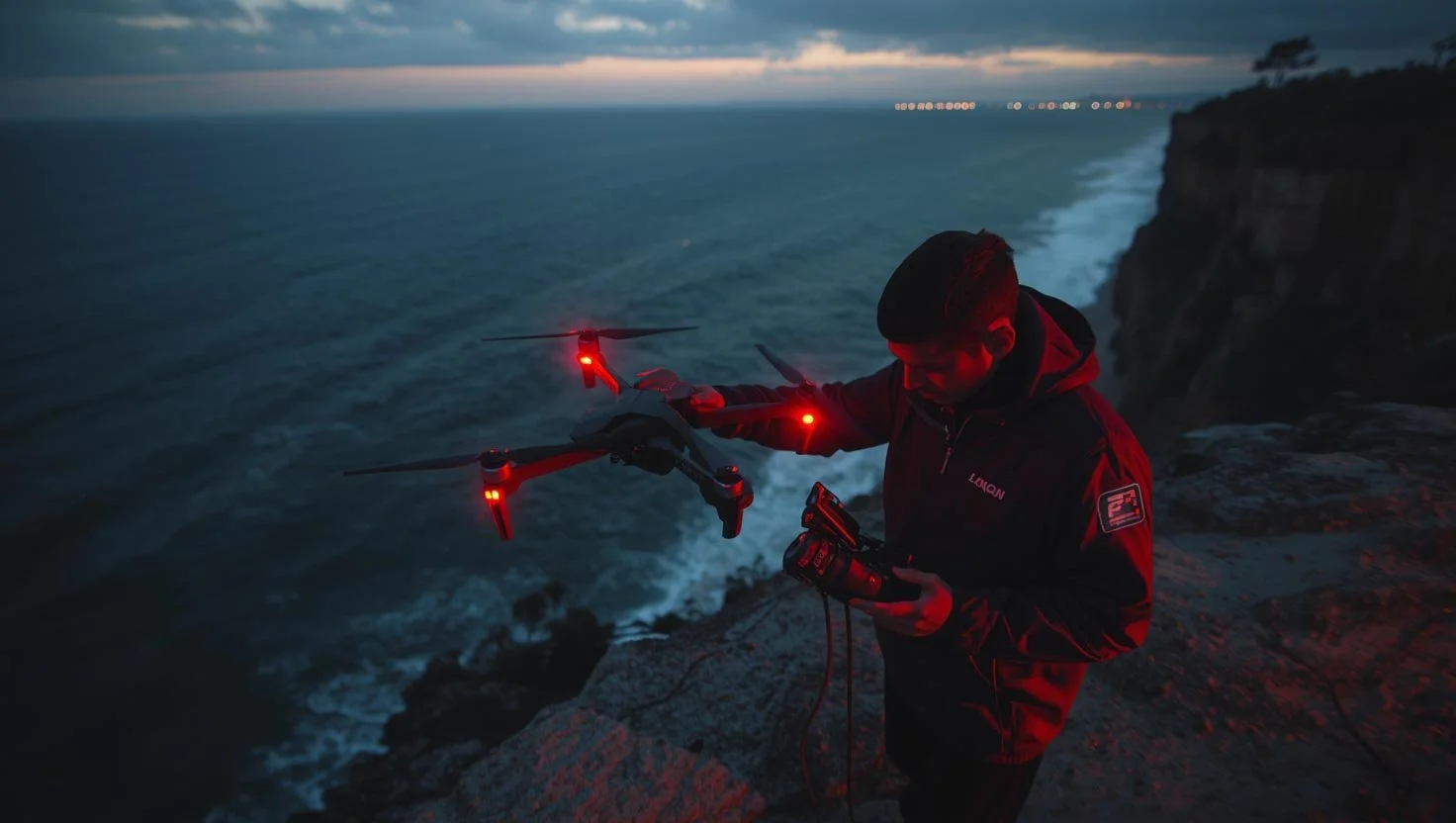
A strong campaign film is planned backward from the ask. Here is the shape of a typical Hilo crowdfunding production:
Pre-production. We lock the problem, the reveal and the founder beats on a shot list before anyone books a location. Your prototype, your packaging and your on-camera people are confirmed early, because a campaign film lives or dies on what is physically in front of the lens.
The shoot. Most campaign films come together in a single shoot day, with the founder interview, product hero shots and real-world use scenes captured by one crew. We shoot on cinema-grade cameras with cinema lenses, with lighting built for both the product and the face telling its story.
The edit. Pace is everything. We cut for momentum, then color and mix so the film plays as well on a phone in a feed as it does on a desktop campaign page. Our color work comes from a Hollywood Technicolor grading lineage, which matters more than most founders expect: skin that looks healthy, product finishes that read true, and a consistent look from the first frame to the last. Sound gets the same attention. Backers forgive a lot, but they click away from muddy dialogue in seconds, so every interview is recorded clean and mixed for small speakers first. You review a first cut, give notes, and we refine from there before anything goes live.
Deliverables. One main campaign video, plus short cut-downs for social and email so the same footage drives traffic to your page for the full run of the campaign. If your product will also sell on Amazon or your own site after launch, plan those product shots now; our product videography team can capture them on the same day. Plan your campaign update videos now, too: manufacturing progress, stretch goals and backer thank-yous can be captured on the same shoot day, so you have new content for the full run of the campaign.
Before You Book: What to Have Ready
You do not need a finished product. You need a working prototype or a believable sample, a clear sense of who your backer is, and the one sentence that explains why the project exists. Bring your campaign launch date, your reward tiers if you have them, and any brand guidelines. Both platforms publish their own guidance on what a campaign video should do; Indiegogo's guide to making a crowdfunding video is worth reading before your first call, and Kickstarter's Creator Handbook covers the page as a whole.
One more thing to settle early: who appears on camera. If there are co-founders, decide who carries the main message and who supports it. Backers follow one clear voice better than three competing ones. If your product is used by customers or early testers, line up one or two of them now. A short, honest reaction from a real user, filmed in the same session, gives your page proof that no script can fake.
Give yourself time. Book production early enough that the film is finished, approved and cut down before your pre-launch email list starts warming up. A rushed video is the most expensive mistake in a campaign.
Frequently Asked Questions
How long should a crowdfunding video be?
Most campaign films land between two and three minutes. What matters more is that the problem, the reveal and the founder all arrive inside the first 90 seconds.
Do I need a finished product to make a campaign video?
No. A working prototype or a convincing sample is enough. We plan the shots around what exists and stay honest about what is still in development.
Kickstarter or Indiegogo: does the video change?
The core film is the same. The platforms differ in rules and audience, so we adjust cut-downs and calls to action to fit the platform you choose.
How far ahead should I book production?
Book well before your pre-launch push begins. The film needs to be finished and approved before you start driving traffic to the page.
Can the campaign footage be used after the campaign ends?
Yes, and it should be. We plan shots that carry over to your website, retail pages and launch ads, so the investment keeps working after the last pledge comes in.
What does a crowdfunding video cost?
It depends on the shoot days, locations and cut-downs you need. Tell me your launch date and your reward tiers, and I will give you one clear number on a short call.
Do you work with founders outside Orange County?
Yes. We are based in Newport Beach and shoot across Southern California, and we travel for the right project.
Plan Your Campaign Film
Your campaign gets one first impression. Make it a film people finish. Hilo Motion Pictures has directed 500+ productions since 2003, from Newport Beach to wherever the story is. Tell me about your launch: director@hilomotionpictures.com or (949) 449-4472.