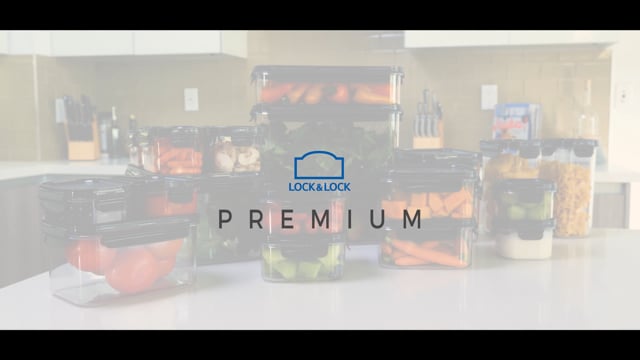
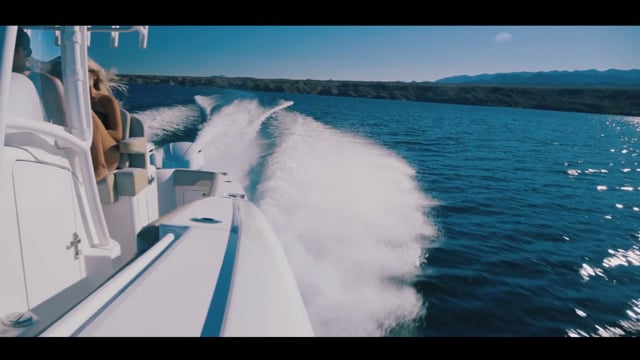
500+ productions · 23+ years · Orange County
Testimonial Video Production
Audeze · Spokesperson testimonial
Hilo Motion Pictures makes testimonial video production in Orange County: your real customers, interviewed without a script, filmed and graded like a feature, directed by Timothy Kline.
Trusted by






Testimonial Samples
Real customers, no scripts. Listen for the moment they stop sounding like marketing.
Audeze Mobius · Customer testimonial
Calcana · Chestnut Hill Brewing testimonial
Calcana · Elbow Room testimonial
Client testimonial · 2018
What Is a Customer Testimonial Video?
A customer testimonial video is a short film where a real customer explains, in their own words, the problem they had and what changed after working with you. Our testimonial video production is built on an unscripted interview, controlled lighting and clean separate audio, then cut for your website, sales calls and social. A client testimonial video works because a peer is talking, not the company.
Send it before the meeting; the prospect arrives half-convinced.
Put the customer's voice where doubt peaks.
Fifteen- and thirty-second vertical cuts from the same interview.
A link from a customer who had the same objection.
Why Most Testimonials Fail
Scripted Answers
The moment someone reads, viewers hear it and stop trusting.
The Wrong Customer
Pick the customer who was skeptical and changed their mind, not just the happiest one.
Questions That Ask for Compliments
Compliments are worthless on camera. Specifics persuade.
How a Testimonial Shoot Works
What your prospects hesitate about, and which customers can answer it.
Interview questions built around those objections. Nobody gets a script.
Usually half a day per customer at their location; two cameras, controlled light, lavalier plus boom audio.
Graded to a Hollywood Technicolor standard; two review rounds. More on our color grading.
The full testimonial plus short vertical cuts for social and sales.
Get a Free Quote Give us the number and we'll build the scope to it.
Testimonial Video Production, Director-Led
Every testimonial video production at Hilo is directed by Timothy Kline | CEO & Primary Director. Getting a nervous customer to relax and say the true version is a directing problem, not a camera problem. 500+ productions since 2003. For films about your whole company, see our company profile video production.
Directed by Timothy Kline | CEO & Primary Director
- Directed by Timothy Kline on every shoot
- No scripts, real interviews
- Cinema-grade cameras with cinema lenses
- Color grading included in every production
Testimonial Videographer Near Me
Looking for a testimonial videographer near me, or a testimonial video production company in Orange County? We work from a private Orange County studio (location shared after booking) and a second studio in Dana Point / San Juan Capistrano, but testimonials are best filmed at your customer's location, because context is credibility. Newport Beach, Irvine, Costa Mesa and Huntington Beach are close enough to film two or three customers in one day. See our Newport Beach video production. We also film video testimonials for teams outside the county when the customer's location calls for it.
Filmed Where Your Customers Are
- Newport Beach
- Irvine
- Costa Mesa
- Huntington Beach
What is a testimonial video?
A testimonial video is a short film where a real customer describes, in their own words, the problem they had and what changed after working with you. Because a peer is speaking instead of the company, it answers doubts that advertising cannot. Ours are unscripted and directed by Timothy Kline.
How long should a customer testimonial video be?
Long enough to answer one real objection. We usually cut a full version of about one to two minutes for your website and sales calls, then fifteen- and thirty-second vertical cuts for social. We set the lengths with you before the shoot, based on where each cut will play.
Do you write a script for our customer?
No. A script is the fastest way to make a testimonial sound like an ad. We build interview questions around what your prospects hesitate about, and we keep the conversation going until your customer forgets the camera and says the true version in their own words.
Which customer should we put on camera?
Choose the customer who most resembles your prospects: same size of business, same industry, ideally the same job title. The strongest choice is often the one who was skeptical at first and changed their mind, because that is the story your next buyer is living.
Can you film at our customer's location?
Yes, and it usually works best. Filming where your customer actually works adds credibility a studio cannot. We bring lighting and separate audio, so an office, shop or job site looks and sounds professional, and nearby customers can often be filmed on the same day.
How much does testimonial video production cost?
Cost follows scope: how many customers, how many locations, whether we can film several in one day, and how many cuts you need. Tell us the number you want to spend, send the quote form, and we will build the scope to it. Color grading is included in every Hilo production.
Case Studies
Testimonial Case Studies
Two testimonial video production stories, start to finish.
Diamon-Fusion International · 2021
DFI's Marketing Director on Camera
Read the full case study
Diamon-Fusion International — Client Testimonial, 2021
After two years and multiple productions together, DFI's marketing director sat down in front of our cameras to talk about working with Hilo: the communication, the crew and the cinematic standard. We lit and shot it like any client film, cinema-grade cameras with cinema lenses, so the testimonial looks as good as the work it describes. Over 50 videos and counting.
"Tim and the team at Hilo are absolutely amazing. We were looking at a few different companies to work with, but it was Tim's amazing video reels, personality, and willingness to meet our criteria that captured us. Fast forward two years and Tim has created 4 amazing videos for us. He knows our brand and shoots accordingly. He is super fair on price points. And he produces amazing work in post-production. Honestly, if you're looking for incredible work and not some cheesy, slapped-together-video Tim is the guy."
— Matthew Peters
Calcana · 2020
Calcana's On-Location Customer Testimonial
Read the full case study
Calcana — Client Testimonial at Elbow Room, 2020
An outdoor heating brand wanted its customers to make the case for its product. We filmed a client testimonial on location at Elbow Room: interview-led, with supporting footage of the heaters in real use, so the film reads as credible rather than staged. Cinema-grade cameras with cinema lenses, motion-picture color grade, cut for the brand's marketing.
Your Customers. On Film.
Give us the number and we'll build the scope to it. Tell us which customer would say the most useful thing about you, and we'll plan your testimonial video production around it.
Hilo Motion Pictures · 220 Newport Center Dr #11-248, Newport Beach, CA 92660 · (949) 449-4472 · director@hilomotionpictures.com · Mon–Sun 8:00 AM–8:00 PM