Luxury Yacht Video Production: How to Market a Boat Worth Watching
Luxury Yacht Video Production: How to Market a Boat Worth Watching
A yacht is one of the most photogenic subjects in the world. Deep blue water, clean lines, the light off the hull, the wake spreading behind a boat at speed — almost any camera pointed at a well-maintained vessel in good light will produce something beautiful.
The challenge isn't getting beautiful footage. The challenge is getting footage that sells.
Selling a yacht — whether it's a charter booking, a brokerage listing, a new model launch, or a marina's fleet — requires video that does more than look good. It requires video that makes the viewer feel what it's like to be on that boat. The motion, the space, the lifestyle, the specific quality of being out on the water on a vessel like this one. That experience is what the buyer is purchasing, and the video's job is to make them feel it before they ever step aboard.
That's a different production challenge than most yacht owners and brokers realize going in.
The Marine Production Environment Is Technically Demanding
Shooting on the water introduces a set of production challenges that don't exist on land — and that separate experienced marine production crews from crews that are learning on your project.
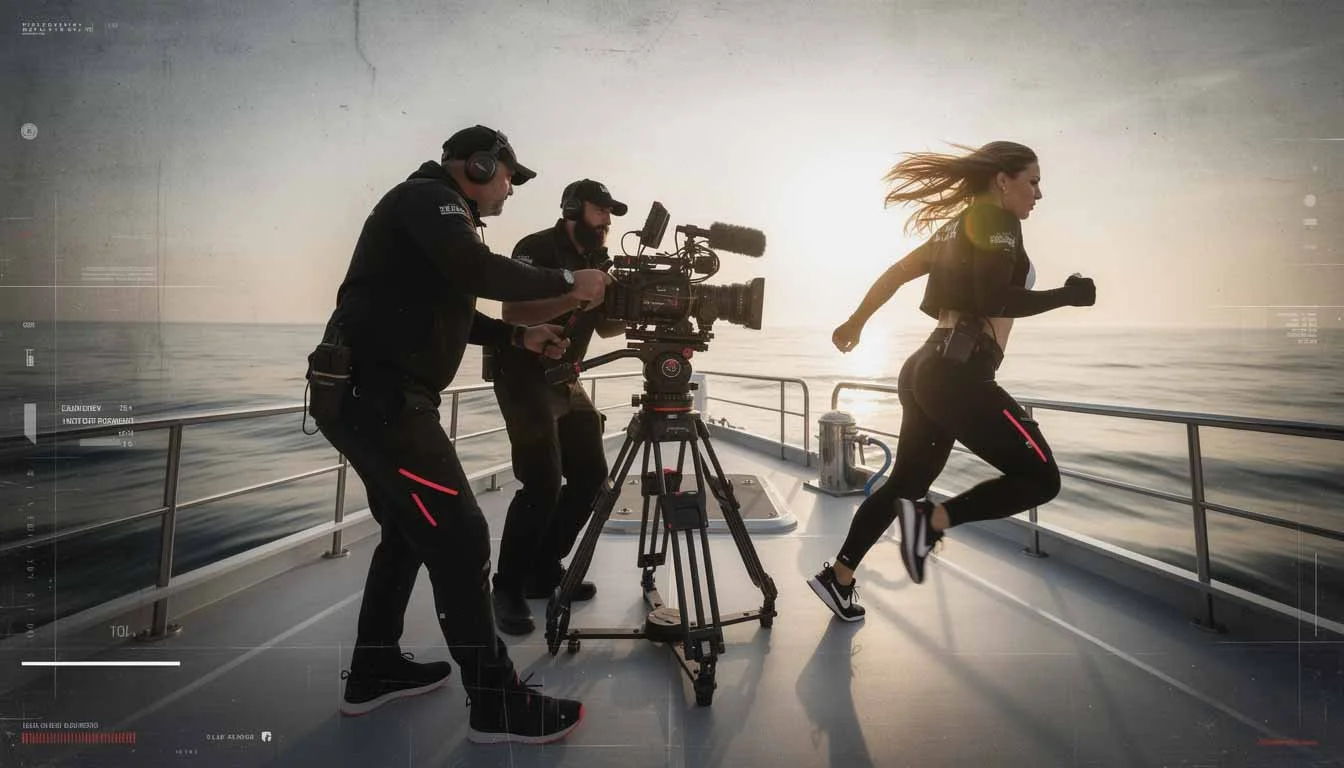
Motion. Boats move. The camera moves. The subject moves. Managing all three simultaneously, while maintaining smooth, intentional camera movement rather than accidental shake, requires stabilization equipment and operating technique that's specific to marine production. Gimbals that work perfectly on land behave differently on a vessel with a three-axis roll. An experienced marine crew knows this before the shoot starts.
Light on water. The reflective surface of the ocean creates light conditions that change faster and more dramatically than almost any land environment. Overexposed highlights off the water, underexposed subjects backlit against the horizon, the color shift as marine layer burns off through the morning — managing these conditions requires both technical preparation and the flexibility to adapt when conditions change mid-shoot.
Salt and equipment. Salt air is corrosive. Salt spray is immediate. The equipment standards for a marine production are higher than a standard land shoot, and the crew's discipline around protecting gear matters for every subsequent project that gear appears on. Experienced marine crews have established protocols. Inexperienced ones learn them on your shoot.
Logistics. Getting crew, equipment, and talent onto a vessel, managing call times around tide and light, coordinating with harbor master requirements, and planning contingencies for weather — the logistical complexity of a marine shoot is meaningfully higher than a land-based production of equivalent scope.
What Yacht Video Actually Needs to Show
The decision about what to show in a yacht video depends entirely on the marketing objective — but there are consistent elements that move buyers and charter clients regardless of vessel type or price point.
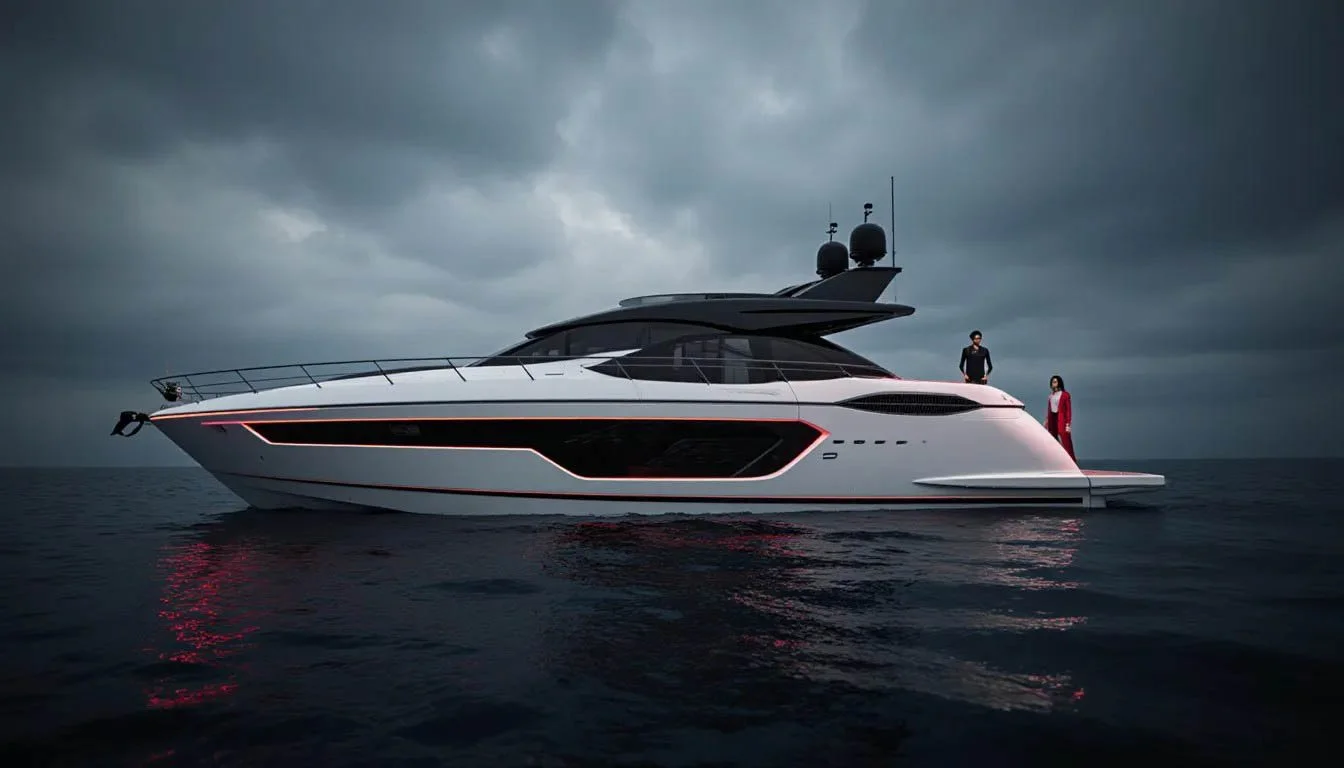
The boat in motion. Static footage of a docked vessel is the equivalent of a hotel photo that only shows the lobby. Buyers and charter clients need to see the boat underway — the way it moves through the water, the wake, the speed, the handling. This requires chase boat coverage or drone footage alongside or above the vessel while it's moving. It's the most technically demanding element of yacht production and the most essential.
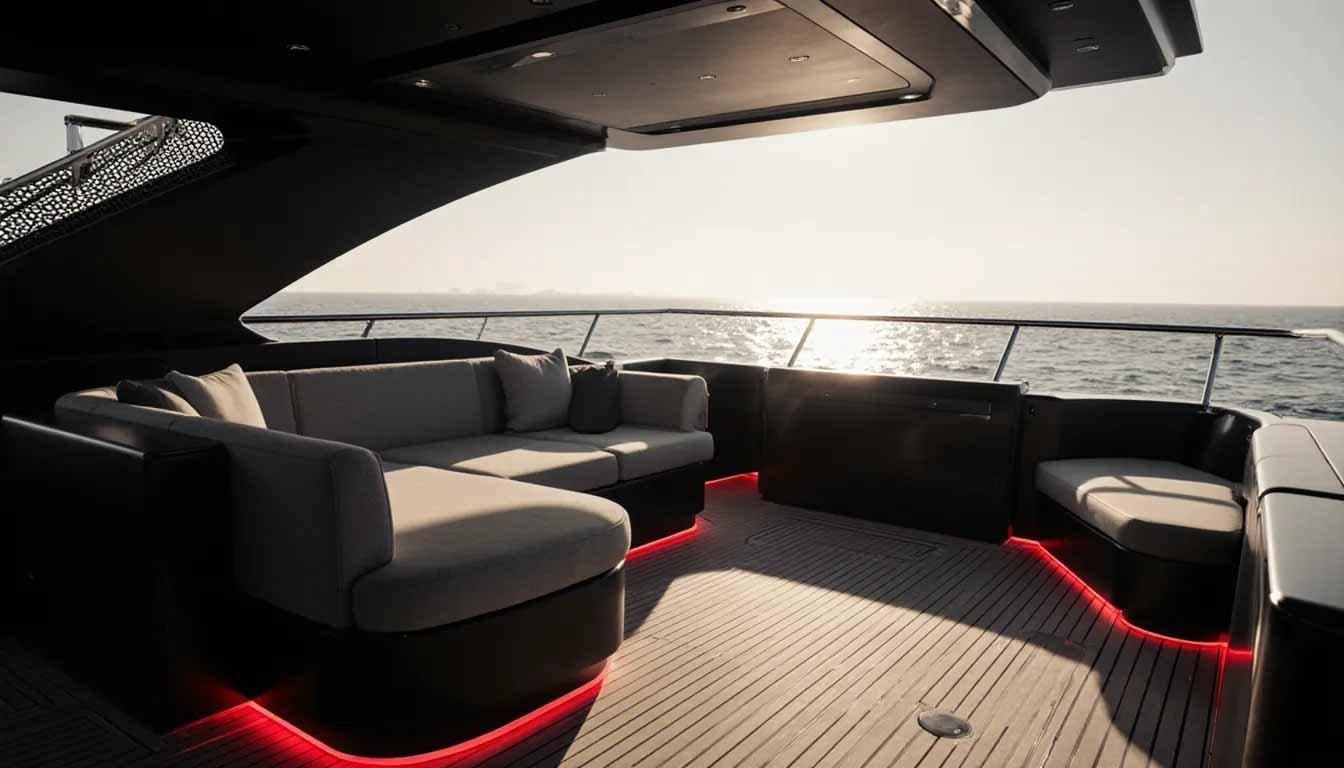
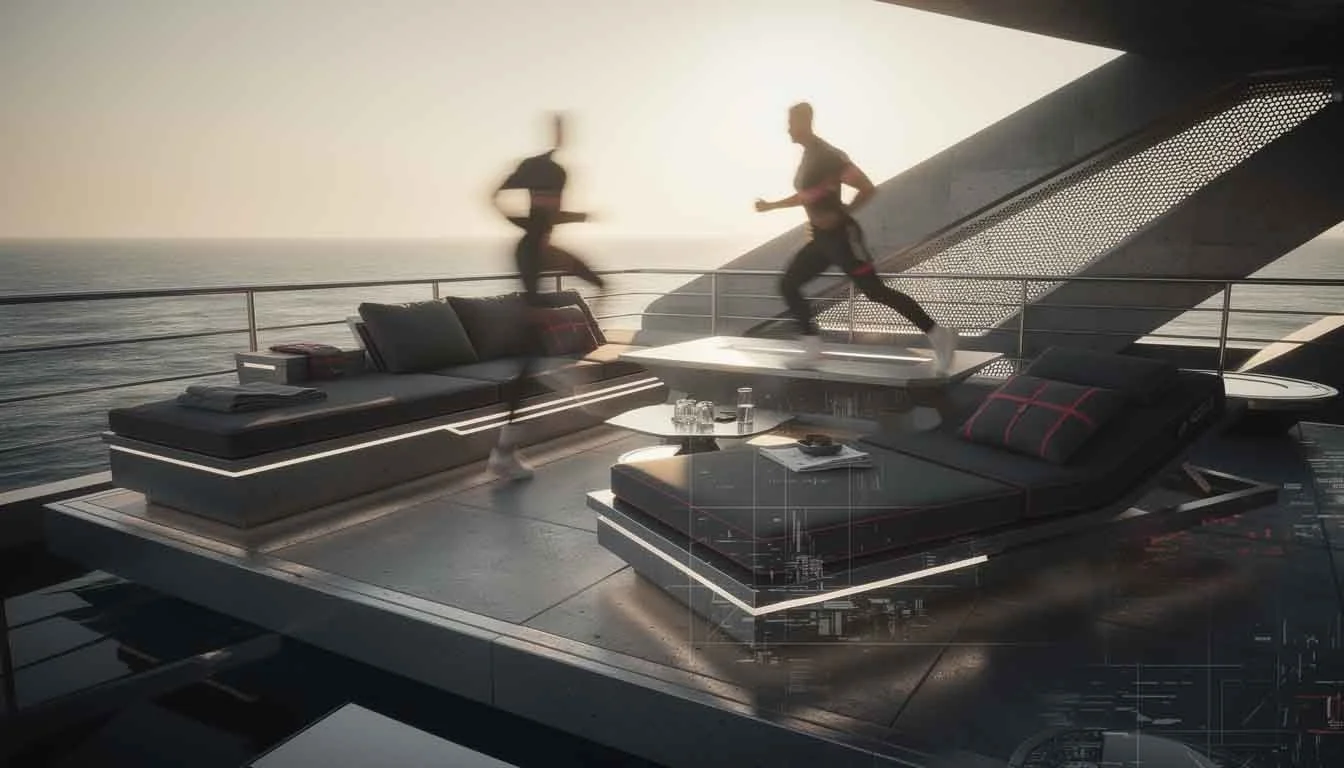
The experience on deck. What does it feel like to be aboard? The deck space, the seating areas, the cockpit, the sun angles, the view from various positions on the boat — coverage that places the viewer on the vessel rather than observing it from outside is what converts interest into inquiry.
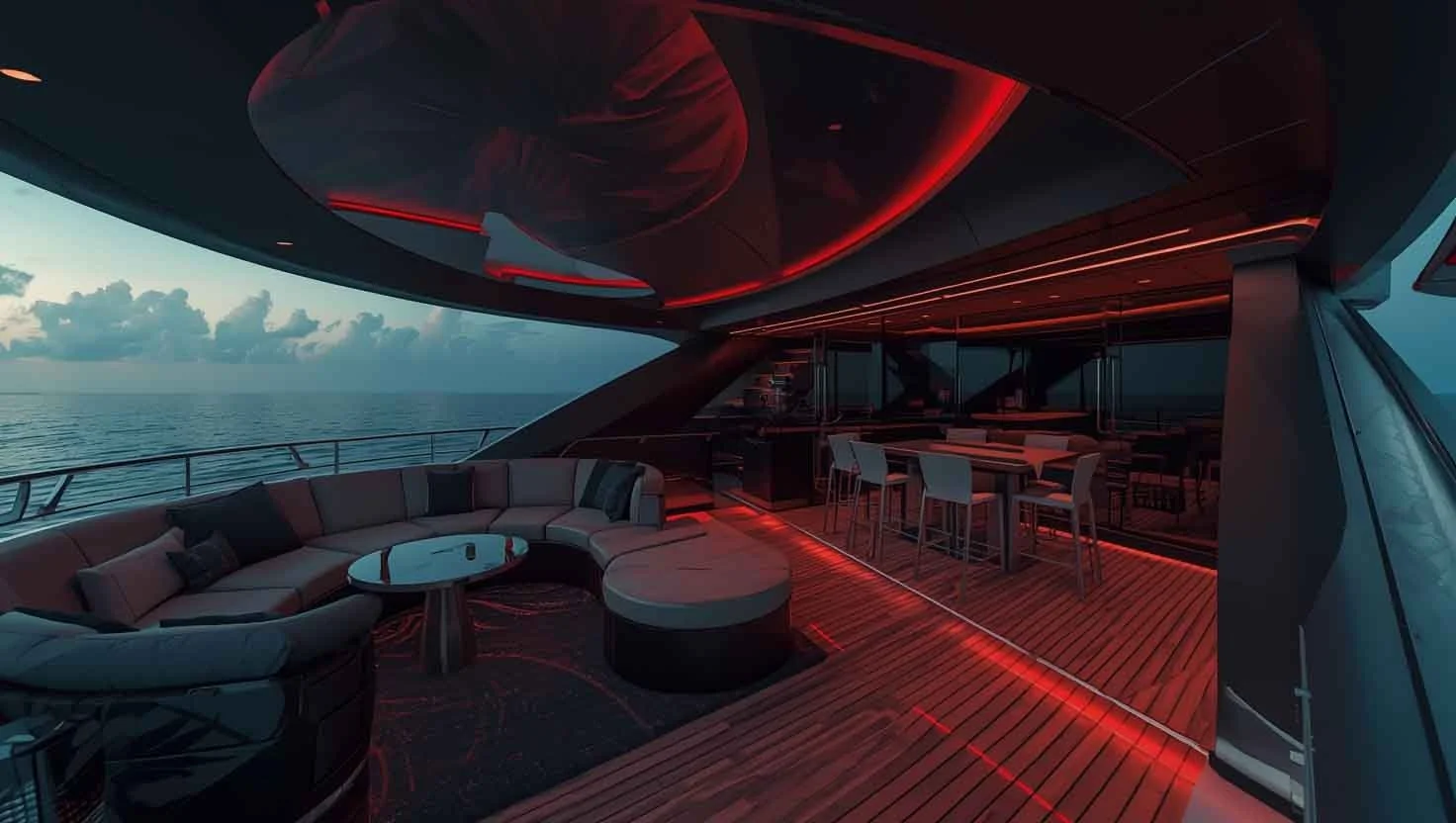
Interior quality. For larger vessels where the interior is a significant part of the value proposition, interior coverage needs to communicate quality of finish, scale of space, and livability. This is a lighting challenge — yacht interiors are often dark, mixed-light environments where getting a clean, flattering image requires both skill and the right equipment.
The destination and environment. Where does this boat go? Newport Harbor, Catalina, open ocean, coastal cruising — the destination is part of what the buyer or charter client is purchasing. Coverage that places the vessel in its intended environment makes the lifestyle tangible.
Aerial Drone Coverage for Yacht Video
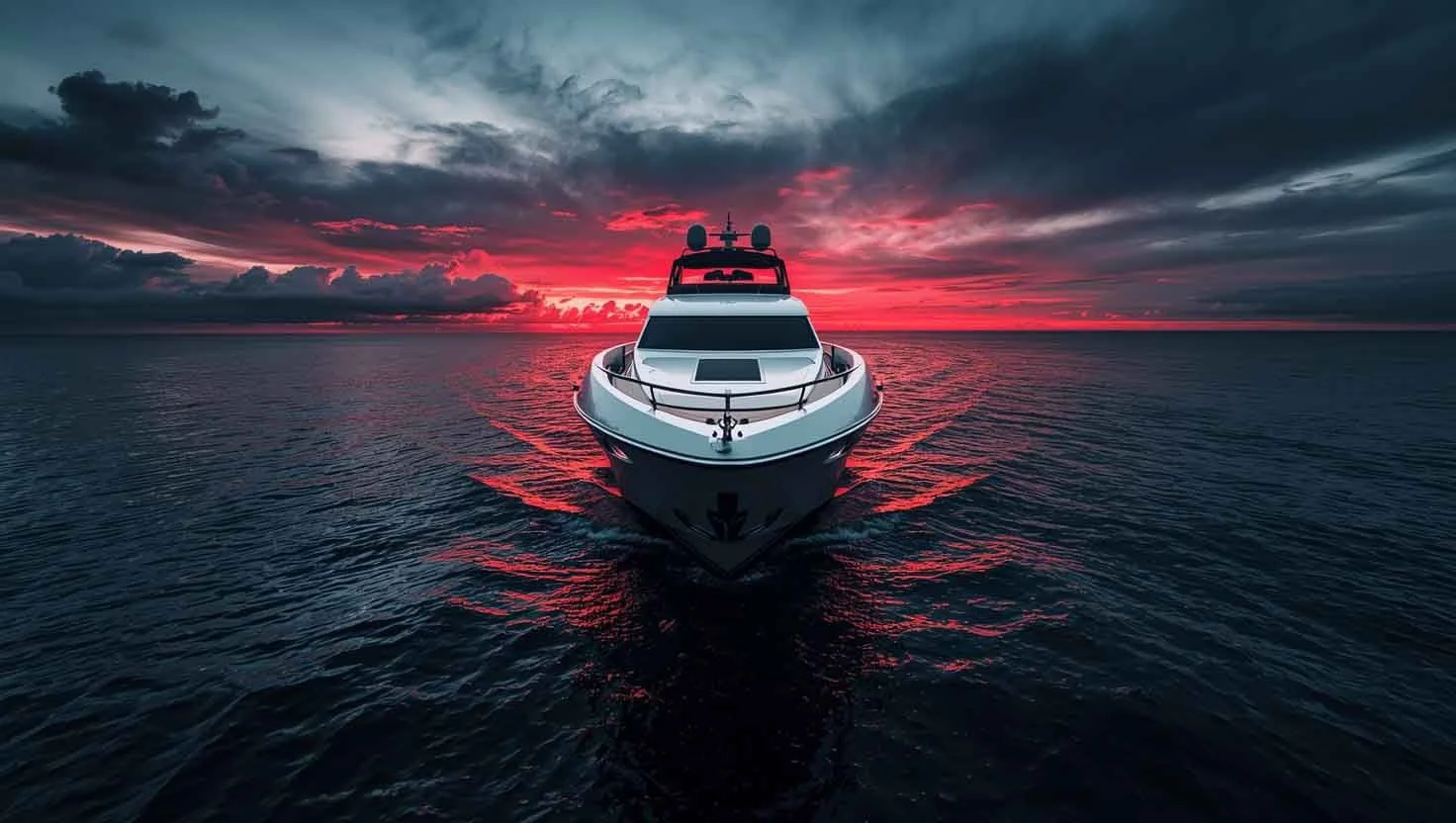
Drone video production is one of the highest-value elements of any yacht production. From above, a boat's lines, scale, and movement through the water are visible in a way that no other camera position can replicate. The wake pattern, the hull design, the deck layout, the relationship of the vessel to the harbor or open water — these are all aerial story elements.
For sales listings, aerial coverage establishes the vessel's physical condition and scale in a way that builds buyer confidence before they inspect in person. For charter marketing, aerial footage communicates the aspiration of the experience — the boat on open water, in beautiful conditions, in a way that makes the viewer want to be on it.
Newport Beach and the surrounding OC coastline provide outstanding production environments for yacht video — the harbor, the channel, the coastal waters, and the light conditions that make Southern California marine production some of the most compelling in the world.
Charter Marketing vs. Brokerage Listings vs. Brand Video
The objective shapes everything about how the video is produced.
Charter marketing video is selling a recurring experience. The tone is aspirational, the pacing is relaxed, and the emphasis is on lifestyle — the feeling of being on the water, the quality of the experience, the destinations available. The call to action is "book this experience."
Brokerage listing video is supporting a significant financial transaction. The tone is confident and informative. Coverage needs to be comprehensive — every major system, every significant space, the overall condition of the vessel. The buyer is doing due diligence, and the video needs to give them enough information to feel confident requesting a showing.
Brand video for a manufacturer, marina, or charter company is building long-term brand equity. The production standards are the highest of the three formats, the story is broader, and the distribution is widest — website, social, trade publications, dealer networks.
Each format requires a different production plan, a different edit structure, and different deliverables. A production company that treats them all the same is optimizing for their workflow, not your results.
Hilo Motion Pictures and the Newport Beach Marine Market
We've been based in Newport Beach for over two decades. Newport Harbor is our backyard — we know the harbor master protocols, the light patterns through the morning, the best departure times for chase boat coverage, and the coastal conditions that make or break a marine shoot.
For yacht owners, brokers, charter operators, and marine brands in the Orange County market, yacht video production is one of our most natural categories. The environment, the subject matter, and the clientele are all part of the world we work in every day.
Ready to put your vessel on camera the way it deserves? Let's talk about what the right production looks like for your specific boat and objective.
Ready to start your project? Let's talk.
📞 Call or Text: +1 (949) 449-4472 ✉️ Email: director@hilomotionpictures.com 📍 220 Newport Center Dr. #11-248 | Newport Beach, CA 92660 🕐 Mon–Fri 8am–5pm | Sat–Sun 9am–4pm
