

500+ productions · 23+ years · Newport Beach
Crowdfunding Video Production Directed Like a Feature
Audeze Mobius — full launch film.
Hilo Motion Pictures directs crowdfunding video production in Newport Beach, Orange County: campaign films, trailers, photography and update videos for Kickstarter, Indiegogo and equity crowdfunding campaigns.
Trusted by



Crowdfunding Video Samples
Audeze Mobius — Campaign Title Card Cut
Audeze · Mobius headset
Indiegogo campaign, 2018.
Roomongo — Brand Explainer Video
Roomongo · equity crowdfunding
Boulder, CO.
What Is Crowdfunding Video Production?
Crowdfunding video production is the planning, shooting and editing of the films a campaign page runs on: the campaign film, a product trailer, photography, update videos, testimonials and social cuts. Hilo Motion Pictures directs all of it for Kickstarter, Indiegogo and equity crowdfunding campaigns from Newport Beach, Orange County.
What Goes Into a Crowdfunding Campaign Video
Campaign Film
The crowdfunding campaign video at the top of the page. Product, people and purpose, cut to hold the viewer to the end.
Product and Lifestyle Trailer
A short, fast cut of the product in real hands and real places, built for the campaign page and paid social.
Campaign Photography
Stills from the same shoot for the campaign page, press kit and social posts.
Campaign Update Videos
Short films that keep your community in the loop while the campaign runs and after it closes.
Customer and Expert Testimonials
Real users and industry voices on camera, in their own words.
Social Cuts and Graphics
Vertical and square edits plus graphics, sized for every channel the campaign runs on.
Kickstarter, Indiegogo and Equity Crowdfunding
Kickstarter Video Production From One of the First Fifty
One of the first fifty Kickstarter videos ever made: that is where our crowdfunding work started. Kickstarter video production has changed since then. The job has not. A Kickstarter video has to show the product, the people behind it and why it matters before the viewer scrolls away, so we write every campaign film like a commercial and shoot it like a feature.
- Kickstarter
- Indiegogo: Audeze Mobius, 2018
- Equity: Roomongo, Boulder, 2021
Roomongo — equity crowdfunding campaign video.
How a Crowdfunding Video Shoot Works
We learn the campaign, the audience and the platform. You get one clear plan.
A shot list written like a commercial, with the campaign page and update schedule mapped before anything is booked.
Cinema-grade cameras with cinema lenses. Ship the product in or bring it to the shoot. High-speed robotic camera arms and 3-axis cinema sliders where the product calls for it.
Edit, sound and color grading, graded to a Hollywood Technicolor standard. Two review rounds included. Final files in 3–4 weeks.
Update videos, social cuts and graphics while the campaign runs.
Get a Free Quote Give us the number and we'll build the scope to it.
Crowdfunding Video Work
Audeze Mobius customer testimonial.
Crevasse — crowdfunding campaign video.
Crowdfunding Video Company, Director-Led
Every campaign is directed by Timothy Kline | CEO & Primary Director. As a crowdfunding video company, Hilo plans, shoots, cuts and grades every frame as one team, so the campaign film, photography and update videos share one look. As a crowdfunding video production company, we bring that same crew to every campaign. More on our Orange County video production.
- 500+ productions since 2003
- Cinema-grade cameras with cinema lenses
- Shot in Orange County for Audeze
- Campaign film, photography and updates from one crew
Client testimonial.
Crowdfunding Video FAQ
What is a crowdfunding video?
A crowdfunding video is the film at the top of a campaign page. It shows the product, the people behind it and why it matters, so a visitor understands the campaign in the first minute. Most campaigns also need a trailer, photography, update videos and social cuts.
How much does a crowdfunding video cost?
Crowdfunding video cost depends on scope: shoot days, locations, talent and how many deliverables the campaign needs. Give us the number and we'll build the scope to it. You get a written quote and a shot list before anything is booked.
How long should a crowdfunding video be?
Long enough to show the product working and the people behind it, short enough to hold the viewer to the end. We set the length on the first call, based on the platform and the product, and cut shorter social versions from the same footage.
How long does crowdfunding video production take?
3–4 weeks from kickoff to final delivery. Two review rounds are included.
Do you make videos for equity crowdfunding like Wefunder?
Yes. For Roomongo, based in Boulder, CO, we made the videos for two Wefunder equity crowdfunding campaigns in 2021, plus follow-up and update videos.
Do you work with first-time campaign creators?
Absolutely. We walk you through the entire process, from concept to delivery.
What do you need from us before the shoot?
The product, shipped to us or brought to the shoot, a draft of your campaign page, and your story and brand notes.
Do you only work with clients in Orange County?
We're based in Orange County, CA, but we work with clients nationwide. Roomongo, based in Boulder, CO, is one example.
Case Studies
Campaigns We Filmed
Audeze · 2018
Audeze Mobius · Indiegogo Launch
Read the full case study
Audeze Mobius — Indiegogo Launch, 2018
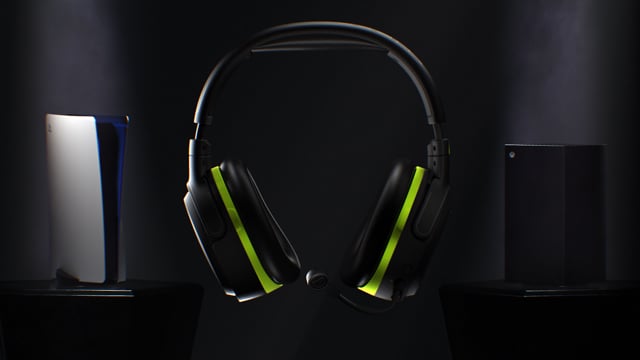
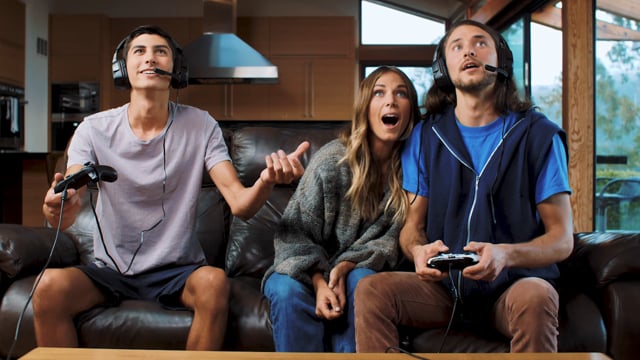
Audeze took its planar sound into gaming with Mobius, a 3D audio headset, and launched it on Indiegogo. We shot the full campaign video, the launch trailer and all campaign photography: product macro, head tracking shown on screen, player reactions. Our video was one piece of that launch.
"The quality of Hilo Motion Pictures' video work speaks for itself, but it's Tim's approach to business and the creative process that has kept him at the top of my speed dial for any large scale video production work. Tim approaches each project with an open mind, a collaborative spirit, and infectious positivity. He places client satisfaction at the very top of his priority list, and is both willing and able to adapt to rapidly changing circumstances and demands - a critical trait for anyone working with small or medium sized companies. He's also highly sensitive to the budgetary and operational needs of his clients and is able to scale his productions accordingly. Really can't recommend him highly enough, and will absolutely hire him again."
— Audeze LLC
Roomongo · 2021
Roomongo · Wefunder Campaign Video
Read the full case study
Roomongo — Wefunder Campaign Video, 2021
A travel-booking startup opened an equity round on Wefunder and needed investors to get the idea in ninety seconds. We made the campaign video: the product, the problem it fixes and the pitch, cut tight and graded like a commercial. A brand explainer for the company's site followed.
"From the minute we started working with Tim at Hilo Motion Pictures, it just felt like he was part of our team. Totally professional, creative and full of amazing ideas. Our video was for a crowdfunding campaign, and it turned out a thousand times better than I ever expected. I highly recommend Tim and Hilo for any video project you have in the works!"
— Patches Colorado
Your Campaign. Shot Like a Movie.
Send the product or a link to your campaign draft. You'll get a written quote and a shot list, or book a 15-minute call with the director. Give us the number and we'll build the scope to it.
Hilo Motion Pictures · 220 Newport Center Dr #11-248, Newport Beach, CA 92660 · (949) 449-4472 · director@hilomotionpictures.com · Mon–Sun 8:00 AM–8:00 PM
Related Services

From the blog: Cinematic color grading for video production · How to plan a video shoot